
How can public finance better support biodiversity conservation, climate action, and ecosystem restoration?
How can public finance better support biodiversity conservation, climate action, and ecosystem restoration?
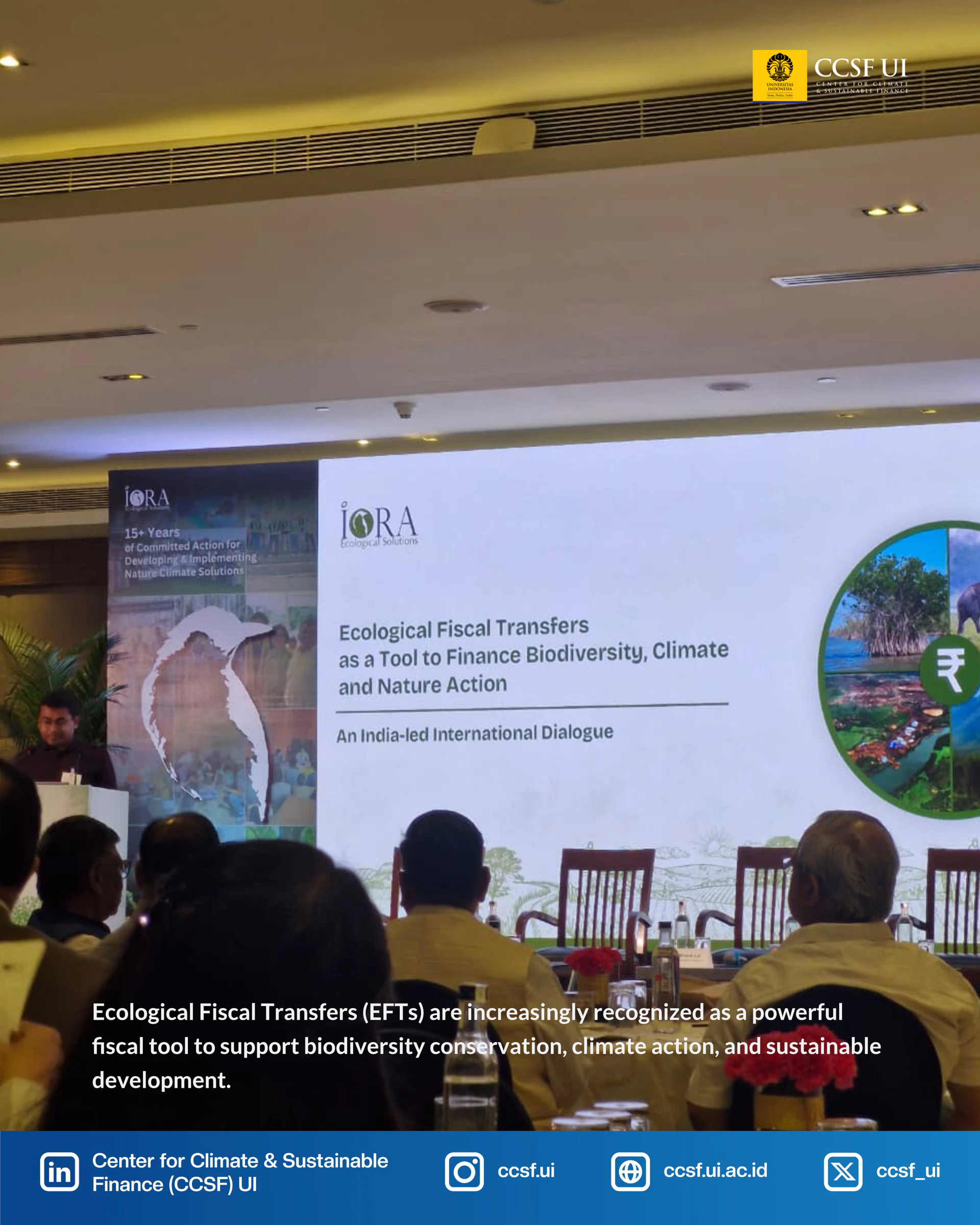
This question is at the heart of the international workshop "Ecological Fiscal Transfers as a Tool to Finance Biodiversity, Climate and Nature Action". Bringing together experts, policymakers, researchers, and development partners, the dialogue explores lessons from Ecological Fiscal Transfers (EFTs) around the world, examines India's experience in implementing ecological incentives, and discusses how subnational governments can translate fiscal transfers into meaningful environmental outcomes. The workshop also seeks to strengthen collaboration across sectors and countries to advance innovative approaches for financing nature and climate solutions.
As governments search for scalable and long-term mechanisms to support biodiversity and climate goals, Ecological Fiscal Transfers offer an opportunity to align public finance with ecological outcomes. By learning from global experiences and fostering international cooperation, the discussion aims to contribute to more effective fiscal systems that reward conservation, strengthen accountability, and support sustainable development.
Dr. Sonny Mumbunan shared Indonesia's experience in integrating forest cover indicators into intergovernmental fiscal transfers through the General Allocation Fund (DAU). The presentation highlighted recent developments in Indonesia's EFT approach, including the incorporation of forest cover into fiscal allocation formulas, accountability challenges in linking transfers to environmental outcomes, and opportunities to strengthen the role of public finance in supporting biodiversity conservation and climate action.